Wondering whether Steelton could make sense for your first investment property? You are not alone. For many buyers, the appeal is simple: entry pricing that is lower than many nearby areas, a rental-heavy housing mix, and real potential for steady demand if you buy carefully. The key is knowing that in Steelton, local rules and property details matter just as much as the price tag. Let’s dive in.
Why Steelton Gets Investor Attention
Steelton is a compact borough in Dauphin County with about 6,296 residents across just 1.9 square miles. Public data also shows a relatively young median age of 32.4, median household income of $58,194, renter-occupied housing of about 52%, and single-unit structures making up about 83% of the housing stock.
That combination helps explain why Steelton often lands on investor watch lists. It points to a market where affordability matters and where smaller, easier-to-manage rental properties may be more practical than large apartment buildings.
Current public price signals also support that interest. Recent portal data placed Steelton’s median sale or listing prices in the low-to-high $100,000s, including about $165,000 on Redfin, $159,767 on Zillow, and $179,900 on Realtor.com depending on the source and timing.
Rents appear to be in a range that catches attention too. Current rental portals showed average rent around $1,211 to $1,290 per month, though those numbers should be treated as directional rather than exact.
What Property Types Make Sense
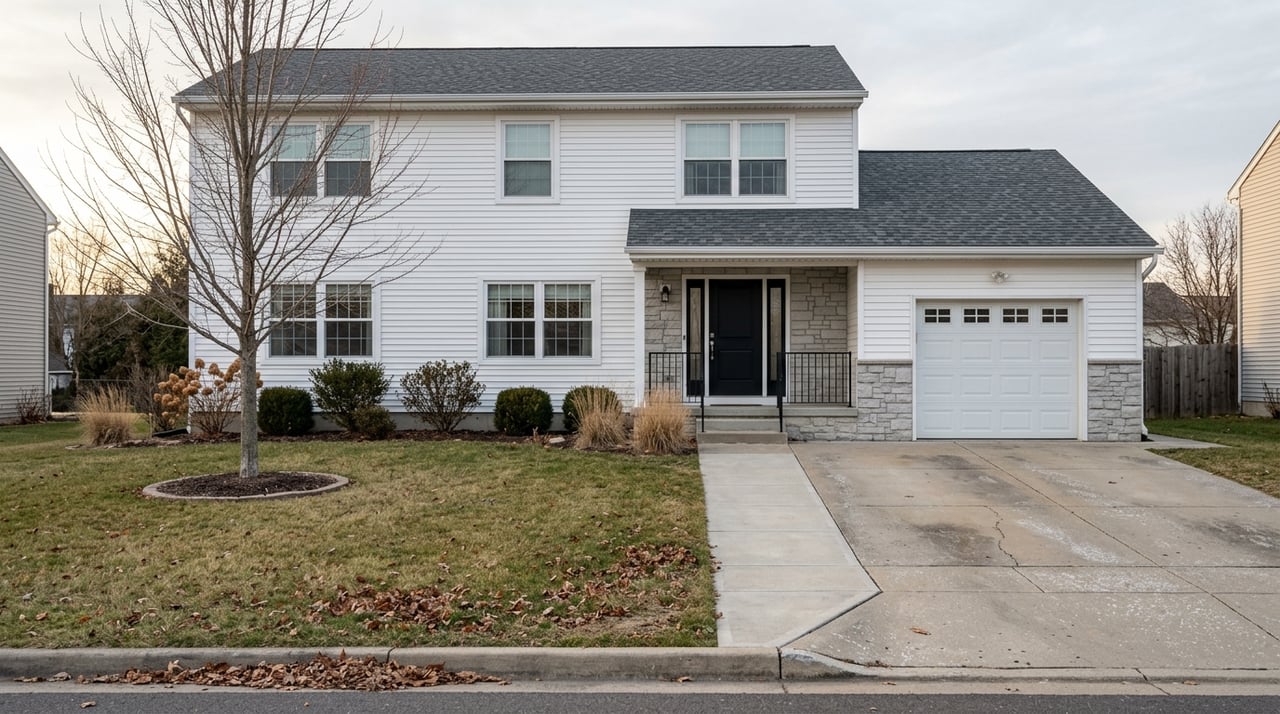
If you are just getting started, Steelton tends to fit buyers looking at single-family homes, attached homes, duplexes, and smaller multi-unit properties. That is partly because the borough has a strong single-unit housing base and partly because the zoning rules shape what is practical.
In Steelton’s R-2 residential district, existing or proposed buildings are limited to three or fewer units. The ordinance allows uses such as single-family detached, semidetached, two-family detached, and single-family attached housing by right.
The R-3 district offers more flexibility, but larger multifamily projects come with more hurdles. A building with four or more units is a special exception and must meet a one-acre lot area standard along with traffic and access review.
That matters because many first-time investors assume they can scale quickly by adding units. In Steelton, the simpler path is often buying a property type that already fits the zoning and the parcel, rather than trying to force a bigger project onto a site that does not support it.
Why Zoning Should Shape Your Search
Before you get attached to a deal, confirm the zoning district and allowed use. In a borough with infill housing and older lots, that step can save you time, money, and frustration.
You will also want to think about parking. Steelton’s zoning code requires one off-street parking space per dwelling unit for multifamily units, which can affect whether a layout works as planned.
There may also be opportunity in mixed-use settings. The C-1 Town Center district specifically allows upper-floor apartments above commercial uses, which can create another path for investors looking beyond standard single-family rentals.
Use Public Data for a First Pass
When you are screening deals in Steelton, start with a simple three-part framework:
- Sale price context
- Rent comparables
- Local operating rules
For sale prices, it helps to compare more than one portal instead of relying on a single number. For rent, compare current asking rents across major rental sites and treat those figures as a starting point, not a final underwriting answer.
A rough gross-yield screen can help you quickly sort opportunities. Using public median figures, a monthly rent of $1,290 against a $165,000 purchase price works out to roughly a 9.4% gross annual rent yield. Using the same rent against Zillow’s median list price of $159,767 gets you to about 9.7%, while $1,211 monthly rent against a $165,000 price comes out near 8.8%.
Those numbers can be useful for triage, but they are not your bottom line. They do not include vacancy, taxes, insurance, repairs, management, sewer, trash, or financing costs.
Know the Local Rules Before You Buy
This is where many first-time investors get tripped up. Steelton has local compliance requirements that need to be built into your budget and timeline from day one.
Landlord and tenant forms must be filed for each rental unit, with a $15 filing fee. These filings are due each year by February 27 and also whenever a unit becomes vacant or a tenant changes.
Residential rental inspections are also required every two years. The fee is $70 for one unit, plus $20 for each additional unit, and there are separate reinspection charges if the property does not pass.
If you are comparing Steelton with another market, that recurring inspection cycle is important. It can affect both your operating costs and the timing of tenant turnover.
Property Maintenance Can Affect Returns
Older housing stock can create opportunity, but it can also create surprises. Steelton enforces a property-maintenance code through exterior inspections, and that can directly affect your holding costs and renovation timeline.
Common violation categories include:
- Broken windows
- Porch and sidewalk hazards
- Weeds over 8 inches
- Snow and ice not removed within 24 hours
- Trash overflow
- Dumping of outdoor furniture or appliances
For an investor, these are not minor details. If a property has visible deferred maintenance, you may face added cleanup, repair work, or delays before a unit is ready to lease.
Don’t Overlook Utilities and Service Costs
A deal can look good on paper until utility responsibilities start stacking up. In Steelton, trash and recycling service is contracted through the City of Harrisburg, and the service allows up to four trash cans with a combined 130 gallons plus one bulk item per week.
The borough also states that property owners are responsible for sewer laterals from the home to the borough main. That is a due diligence item worth checking carefully, especially with older properties.
Current sewer billing includes a $17 service fee and a residential charge of $12.65 per 1,000 gallons per quarter. Even modest recurring charges should be part of your operating estimate before you make an offer.
Look for Renovation Incentives
If you are considering a value-add strategy, Steelton has two local incentive programs that may be worth reviewing. For residential improvements, the borough offers IDRPTEA, which can provide up to a 10-year break on new taxes created by improvements.
In the C-1 district, that break can be 100% for 10 years. Outside C-1, the program follows a phase-down schedule.
For qualifying commercial work, LERTA may apply in a similar way. The important point is that both programs require an application before construction starts and are not retroactive.
That means timing matters. If your renovation plan might qualify, confirm that before work begins rather than trying to fix it later.
A Smart First-Time Investor Checklist
If you are evaluating your first Steelton investment property, keep your process simple and consistent. Focus on the issues that most directly affect permitted use, cost, and speed to market.
Here is a solid starting checklist:
- Confirm the zoning district
- Verify how many units are allowed
- Check for open code or maintenance issues
- Review parking requirements if the property has multiple units
- Ask about the sewer lateral condition
- Estimate inspection, registration, and reinspection costs
- Compare asking rent with current portal rent ranges
- Review whether planned improvements may qualify for IDRPTEA or LERTA
This kind of practical review can help you avoid buying a property that looks attractive online but becomes expensive once the real work starts.
Why Local Guidance Matters in Steelton
For out-of-area buyers especially, Steelton is the kind of market where local knowledge can reduce execution risk. Between zoning, rental registration, inspections, code standards, and older infrastructure, the details matter.
A local team can help you make sense of what is realistic before you commit. That includes checking code status, confirming unit count and permitted use, reviewing the fit between portal pricing and a reasonable offer, and helping coordinate inspections and contractor conversations after closing.
That practical support can be especially helpful if you are considering a rehab, a smaller multifamily purchase, or a property with a more complex file. The process tends to go better when you have experienced local eyes on the deal early.
If you are thinking about buying an investment property in Steelton, the best first step is not chasing the cheapest listing. It is building a plan around zoning, compliance, condition, and realistic numbers so your first deal starts on solid ground. When you are ready to talk through opportunities in Steelton or the greater Harrisburg area, connect with the Got Bob Hoobler Team at REMAX 1st Advantage for practical, local guidance.
FAQs
What makes Steelton appealing for first-time investment property buyers?
- Steelton offers public price points in the low-to-high $100,000s, a renter-occupied rate of about 52%, and housing that leans toward smaller residential properties, which can make it appealing for buyers looking at entry-level investment opportunities.
What property types are most realistic for investment property in Steelton?
- Single-family homes, attached homes, duplexes, triples, and some mixed-use properties may be the most realistic options because local zoning is more favorable to smaller-scale residential uses than large apartment projects.
What local rental rules should investors know in Steelton?
- Steelton requires landlord and tenant forms for each rental unit with a $15 filing fee, plus residential rental inspections every two years with fees that start at $70 for one unit.
How should you estimate rental income for a Steelton investment property?
- Use current asking rents from rental portals as a starting point only, compare multiple sources, and remember that rough gross-yield estimates do not include expenses like vacancy, repairs, insurance, sewer, trash, or financing.
What should buyers check before purchasing an investment property in Steelton?
- Buyers should confirm zoning, allowed unit count, parking requirements, open code issues, sewer lateral responsibility, inspection costs, and whether planned improvements may qualify for local tax incentive programs.