Buying your first place in Hummelstown can feel exciting and a bit intense. Inventory runs tight at times, and prices shift with demand from nearby Hershey and the Harrisburg area. You want a clear picture of what a “starter home” looks like here, what it costs, and how to prepare a winning offer. This guide walks you through local home types, realistic price ranges, taxes and closing costs, inspections for older houses, financing help, and the step‑by‑step path from offer to keys. Let’s dive in.
Why Hummelstown works for first‑time buyers
Hummelstown is a small Dauphin County borough near Hershey, which means you get quick access to major employers, medical facilities, and amenities. The town’s compact size and walkable core appeal to buyers who want convenience without a long commute. According to the borough’s overview, Hummelstown sits just a few miles from Hershey, which helps support steady demand across price points. You benefit from that demand when it is time to sell in the future, provided you buy a home that fits your budget and maintenance comfort.
For quick local context, review the borough’s general information on geography and services. It helps you understand where municipal taxes and services fit into your total monthly cost of ownership. You can find that overview on the borough website’s general information page.
What counts as a starter home here
Borough homes: smaller and older
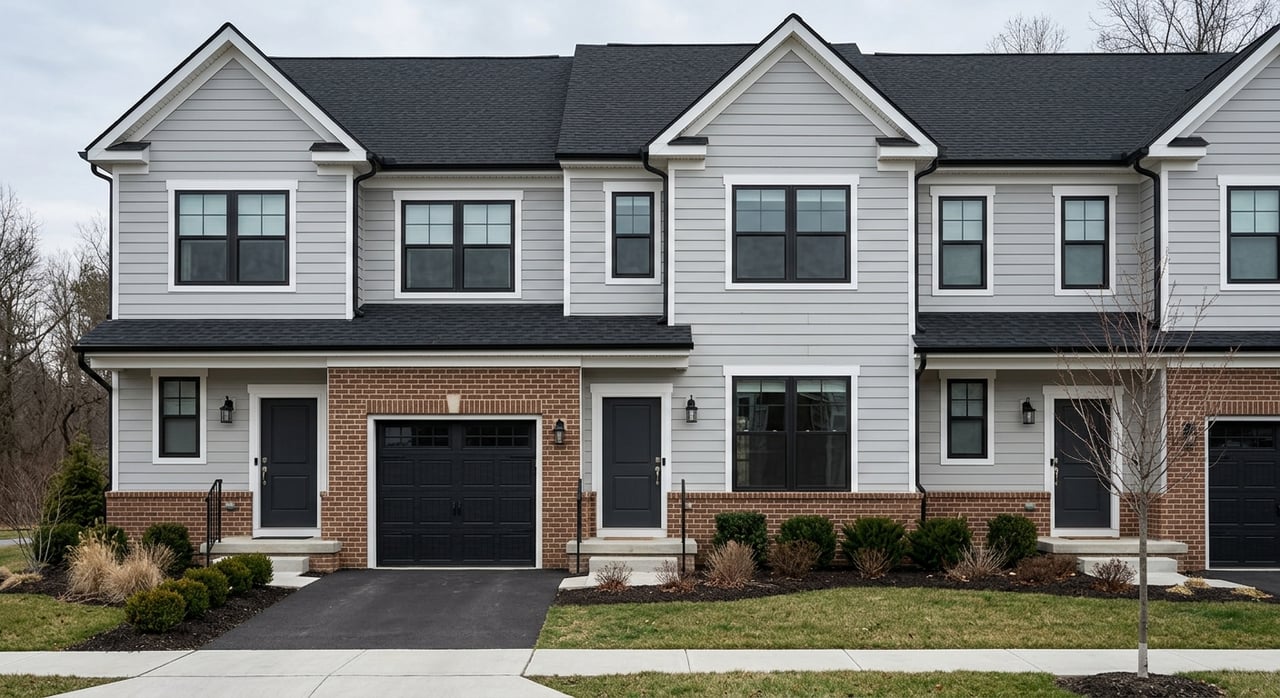
Inside the borough core, you often see smaller single‑family houses, attached or row‑style homes, and duplexes. Many of these properties were built before 1960, and some predate 1940. Floor plans tend to be modest, yards are short, and locations are close to downtown. These homes can be an affordable entry into Hummelstown, but age and condition vary, so inspections matter.
Nearby subdivisions: space and updates
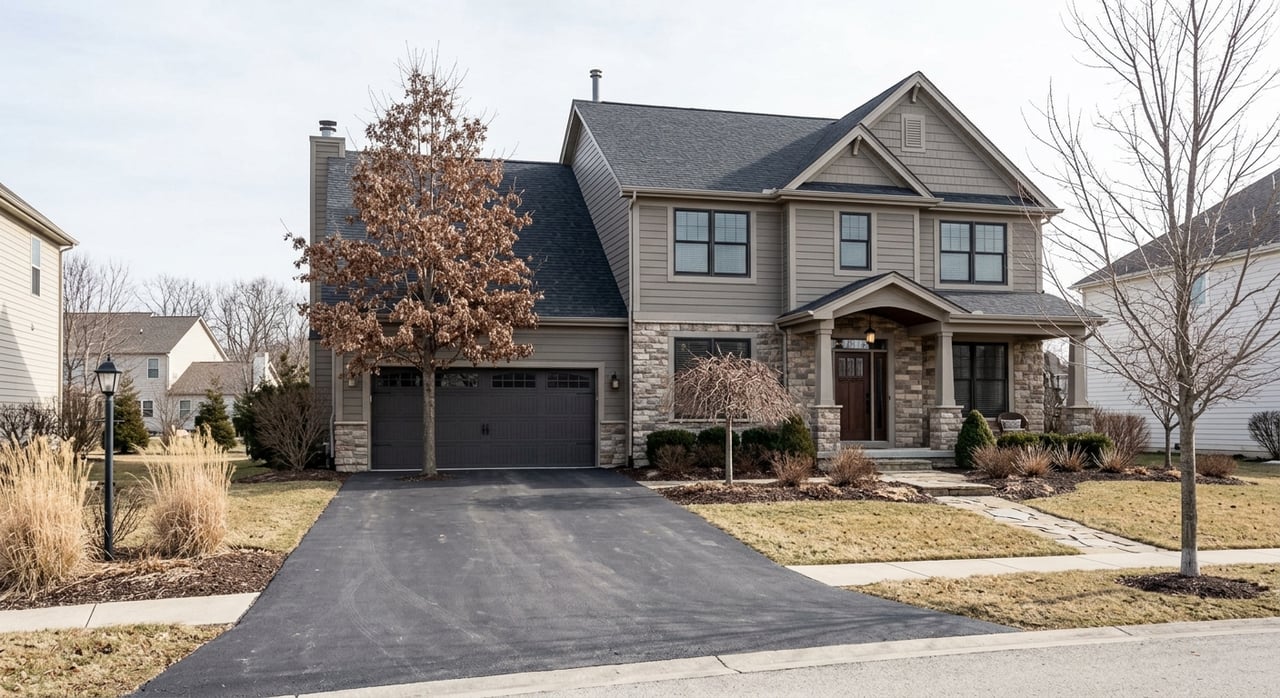
Just outside the borough in nearby townships, you will find ranches, split‑levels, and two‑story homes built from the post‑war era through the 2000s. These homes often offer three or more bedrooms and a typical suburban lot. You trade some walkability for extra space and, in many cases, newer systems. Prices in these areas can sit higher if the home is larger or more updated.
Typical sizes and layouts
Starter options here commonly run about 800 to 1,800 square feet, with 1 to 3 bedrooms and 1 to 2 baths. Smaller borough homes sit near the lower end of that range, while 3‑bedroom suburban “starter” homes often start around 1,200 square feet and go up. Exact square footage and layout will depend on the neighborhood and the era the home was built.
Age and inspection watch‑outs
Because many borough homes predate 1978, you should plan for a careful inspection process. Common items include older plumbing or electrical, roof and masonry maintenance, and HVAC nearing end of life. For homes built before 1978, learn about lead‑based paint risks and how to reduce exposure by reviewing CDC guidance, and know that federal disclosure rules apply to pre‑1978 housing under Title X. Budget time and money for specialized inspections if the home is older or shows signs of deferred maintenance.
Current price ranges to expect
Local prices move with inventory and demand, and different national portals report different medians. As a working range for “starter” homes in and around Hummelstown today, plan for:
- Lower‑end starter: about $150,000 to $250,000. Think smaller condos or townhomes, compact single‑floor houses, or fixers that need cosmetic and system updates.
- Mid‑range starter: about $250,000 to $350,000. This band often includes move‑in‑ready 2 to 3 bedroom homes, small ranches, and modest two‑story houses.
- Upper‑tier starter: about $350,000 to $450,000 or more. Newer or nicely renovated 3 bedroom homes and properties in especially convenient locations often land here.
Prices vary by micro‑area, lot, size, and updates. Homes near Hershey or within certain school boundaries can trend higher. Given how quickly hot listings can move in tight months, ask your agent to pull live MLS data for ZIP 17036 before you finalize your budget or offer strategy.
Budget beyond the sticker price
Property taxes in 17036
Your annual property tax bill includes county, municipal, and school district components. Hummelstown borough lists a municipal millage that has recently been cited around 3.75 mills. Composite estimates for the broader ZIP suggest an effective total rate around 1.4 to 1.5 percent of assessed value, but the exact bill depends on the property’s assessment and all taxing bodies. County and school millage can change year to year. For example, local reporting noted a county budget that included a millage increase for 2026. Before you offer, request a current tax estimate from the local tax office or your title company so you know your true monthly cost.
- Read the borough’s general information page for municipal context: Hummelstown Borough general info
- See recent county budget news: Dauphin County approves 2026 budget
Closing costs in Pennsylvania
In Pennsylvania, buyers typically budget about 2 to 3 percent of the purchase price for routine closing costs. That covers items like lender fees, appraisal, title search and title insurance, recording fees, transfer tax, and escrow deposits for taxes and insurance. Actual dollars vary with your loan type, title company, and price point, so ask for an itemized estimate early.
- Learn what shows up at a PA closing: What to expect at a Pennsylvania real estate closing
Inspections, repairs, and immediate needs
A standard home inspection in this area typically runs about $300 to $700. Older homes may call for add‑ons like electrical evaluations, chimney, sewer, or structural assessments. Plan a repair reserve that fits the home’s age and condition. For pre‑1978 homes, understand how to manage lead‑paint risk by reviewing CDC lead‑safe guidance and the federal Title X overview. Environmental tests like radon are also common in central Pennsylvania and can be included in your inspection window.
Down payment, PMI, and monthly planning
Many first‑time buyers use 3 to 5 percent down payment options, while 20 percent down lets you avoid PMI. Pennsylvania buyers often reduce upfront cash needs by pairing a PHFA first mortgage with assistance programs such as Keystone Advantage or K‑FIT. Keystone Advantage can provide up to 4 percent or $6,000 as a 0 percent second loan, while K‑FIT is a forgivable second over ten years. Program rules change, so review current details and talk with a PHFA‑approved lender.
- Explore assistance: PHFA Keystone Advantage and PHFA homebuyer resources
Also factor ongoing costs into your monthly number: property taxes, homeowners insurance, utilities, and routine maintenance. A common planning rule is to budget 1 to 2 percent of the home price per year for maintenance and repairs. If the property has an HOA, include monthly dues in your affordability check.
How the offer to closing works locally
Typical steps from offer to keys
- Get a strong pre‑approval from a reputable lender before touring. Sellers favor buyers who are ready to move.
- Write your offer using the Pennsylvania Agreement of Sale, including earnest money and clear timelines.
- Complete inspections during your contingency period and negotiate repairs or credits as needed.
- Your lender orders the appraisal while underwriting reviews your file.
- The title company runs the title search, orders municipal lien or certification letters, and prepares your Closing Disclosure. Federal rules require you receive the Closing Disclosure at least three business days before settlement when you finance.
- Attend closing at a title company or attorney’s office. After signing and funding, your deed is recorded and you get the keys.
For a deeper look at Pennsylvania closings, review this practical overview of how to handle real estate closings in Pennsylvania. Many municipalities and the Commonwealth impose a realty transfer tax that is commonly split between buyer and seller unless negotiated. Municipal certifications can take time, so your title team should order them early.
Timing in Hummelstown
Most financed deals close in about 30 to 45 days after an accepted offer. Cash deals can move faster. If you plan to layer assistance programs, reserve a longer runway, often 45 to 60 days, to allow for counseling and funding steps. In competitive weeks when inventory is tight, sellers may prefer shorter inspection windows or cleaner contingencies, so align your timelines with your lender and title company before you offer.
- Timing guide: How long between offer and closing
Smart strategies for first‑time buyers
- Get fully pre‑approved, not just pre‑qualified. Have updated pay stubs, W‑2s, and bank statements ready so your lender can clear conditions quickly.
- Right‑size your search. Focus on homes that fit your budget after taxes, insurance, HOA dues if any, and a realistic maintenance reserve.
- Be inspection‑ready. For older homes, plan optional tests like radon and consider a lead‑safe assessment if children will live in the home.
- Ask about assistance early. PHFA and county programs can reduce cash to close, but they require extra steps and timing.
- Prepare a competitive offer. In tight weeks, consider flexible closing dates, strong earnest money, and repair credit caps instead of long repair lists when the home’s condition supports it.
- Plan for projects. If the right home needs work, ask about renovation‑friendly financing options. Our team has hands‑on experience coordinating documentation‑heavy files and renovation loans, which can help you tackle updates with structure and less stress.
Buying a starter home in Hummelstown is about balancing location, condition, and total cost. With a clear budget, the right inspections, and a strong offer plan, you can move confidently and avoid surprises at closing. If you want a responsive, local team that can guide you through financing choices, inspections, title, and negotiations from start to finish, reach out to the Got Bob Hoobler Team at REMAX 1st Advantage. We are ready to help you find the right first home and close with confidence.
FAQs
How much do starter homes in Hummelstown cost in 2026?
- Expect a working range of about $150,000 to $450,000 or more depending on size, location, and condition, with smaller borough homes often at the lower end and updated 3‑bedroom homes higher.
What property taxes should I expect on a Hummelstown starter home?
- A useful rule of thumb for ZIP 17036 is an effective total rate near 1.4 to 1.5 percent of assessed value, but always request a current tax estimate for the specific property.
What inspections are most important for older Hummelstown homes?
- Order a standard home inspection and consider add‑ons like electrical, chimney, sewer, and radon; for pre‑1978 homes, review lead‑paint risks and discuss lead‑safe steps with your inspector.
How long does it take to close on a home in Hummelstown?
- Most financed purchases close in 30 to 45 days after offer acceptance, while deals with layered assistance may need 45 to 60 days to complete counseling and funding steps.
Are there down payment assistance programs for first‑time buyers in Hummelstown?
- Yes, many buyers use PHFA programs like Keystone Advantage or K‑FIT to reduce upfront cash needs, subject to eligibility and lender participation.